







Search Results for: Summer Jasmine Grape Milk Green

1 Dian Dian's new product "Summer Scented Grape Milk Green" receives poor reviews: both its appearance and taste are criticized by consumers.
Tea brand 1 Dian Dian recently launched a new product, "Summer Pit-Scented Grape Milk Green," attracting a large number of fans to try it out immediately with its light purple promotional posters and novel flavor. However, as genuine feedback increased on social media, this new product encountered overwhelmingly negative reviews—the buyer's show differed vastly from the promotional images, jokingly dubbed "cement gray"; even when opting for no added sugar, some consumers reported it was cloyingly sweet; furthermore, users who switched to A2 fresh milk discovered floating curds in their cups, describing it as "tofu pudding milk tea." From appearance to taste, this highly anticipated new product left many Dian Dian devotees exclaiming "the greater the expectation, the greater the disappointment," and even questioning the brand's R&D capabilities. This article will comprehensively sort out consumers' genuine feedback and the focal points of controversy. [more…]

How Does Roast Level Affect Coffee Flavor? A Comparative Experiment Between Cold Brew and Pour-Over Extraction Methods
The flavor expression of coffee depends not only on the quality of the green beans, but is also closely related to the degree of roasting and the extraction method. In this experiment, coffee beans at three different roast levels—light, medium, and dark—were selected and extracted using two methods, cold drip and pour-over, to compare their specific differences in aroma, acidity, mouthfeel, and aftertaste. Light roast in cold drip presents fresh notes of citrus, jasmine, and honey, while pour-over shows bright acidity and a clean mouthfeel; medium roast in cold drip brings the sweetness of rose, grape, and blueberry, while pour-over presents the richness of chocolate and caramel; dark roast in cold drip has a pronounced oily body and a smooth mouthfeel, while pour-over is intense with a slight burnt bitterness. The article also recommends representative Front Street Coffee beans for each roast level, providing a reference for coffee lovers when purchasing and brewing. [more…]

6 Ways to Drink Cold Brew Coffee, Rotate Through Them All Summer
After you've made cold brew coffee, don't rush to drink it straight—though it's already quite refreshing on its own, cold brew is actually a highly versatile base. It has low bitterness, plenty of sweetness, and clean flavors, so it pairs well with anything. With just a little effort, you can whip up an entire summer drink menu. This article rounds up 6 ways to drink cold brew, from simple [more…]

For making cold brew in summer, these 6 floral and fruity coffee beans are the right choice.
As soon as summer arrives, cold brew becomes a regular on many people's coffee lists. Coffee slowly brewed at low temperature has less bitterness, a more pronounced fruity aroma, and a smooth mouthfeel, like a cup of juice infused with coffee fragrance. But whether cold brew tastes good depends on the beans. Choose the right ones, and a cold-water steep alone brings out the flavor; choose the wrong ones, and no matter how long you steep it, it is still just a cup of" [more…]

ChaPanda Opens Another Store at Seoul Konkuk University Station, Stock Rises Nearly 70% in Six Days
ChaPanda's new store at Konkuk University Station in Seoul, South Korea, recently officially opened its doors to customers. This is the brand's second store in the greater Seoul area, following its first store in Gangnam District earlier this year. At the same time, ChaPanda's stock price has performed impressively recently, with cumulative gains of nearly 70% over the past six trading days. From choosing South Korea as its first overseas destination, to launching Korea-exclusive products, to local consumers accounting for more than 80%, ChaPanda is validating its store model in the East Asian market through a differentiated strategy. This article will review ChaPanda's expansion path in South Korea, its product strategy, and the latest developments in the capital market. [more…]
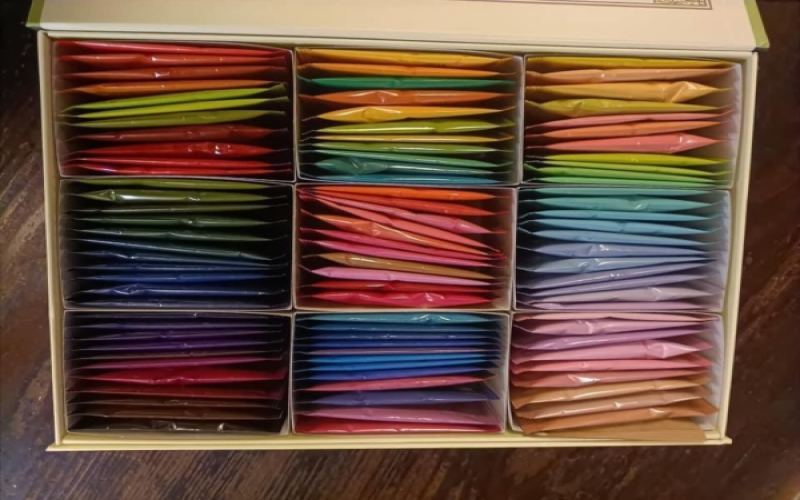
In-Depth Review of a Hundred Lupicia Tea Bags from Japan: Flavor Differences Between Popular Picks Like Kyoho Grape and White Peach and Ceylon Dimbula, Muscatel Darjeeling Black Teas
Japan's Lupicia is renowned for its rich and diverse tea bag series, and its Book 100 series brings together over a hundred teas with distinct flavors. Starting from the top 10 popularity ranking, this article reviews signature offerings one by one, including Kyoho, White Peach Oolong, and TOKIO Tokyo Wild Berry, while also taking an in-depth look at the flavor differences between Ceylon Dimbula and Darjeeling black tea. At the same time, it analyzes the real performance of specialty teas such as Nilgiri, deep-steamed sencha, and Cherry Black Tea. Whether you are a beginner just getting into Lupicia or a seasoned tea drinker looking for an everyday staple, this review can help you find the one that suits you best. Front Street Coffee will also combine tasting experience to share practical advice on selecting and brewing. [more…]
Panama Geisha Washed vs. Natural Flavor Comparison: Analyzing the Differences Between Janson Estate and Hacienda La Esmeralda
Both are Panamanian Geisha, but just how big is the flavor difference between the washed and natural processing methods? And what are the distinctive characteristics of the Geisha from Hacienda La Esmeralda and those from Janson Coffee Farm? Starting with Janson Coffee Farm, this article provides a detailed overview of the flavor profiles of its natural and washed Geisha, the farm's background, and growing conditions, and compares them with the stylistic differences of Hacienda La Esmeralda. Janson Coffee Farm focuses mainly on domestic sales and ranks second in Panama for Geisha production; its washed Geisha won second place in the washed category at the 2013 B.O.P competition. The article also includes Front Street Coffee's recommendations and purchasing information, making it suitable reading for coffee enthusiasts who want an in-depth understanding of Panamanian Geisha. [more…]
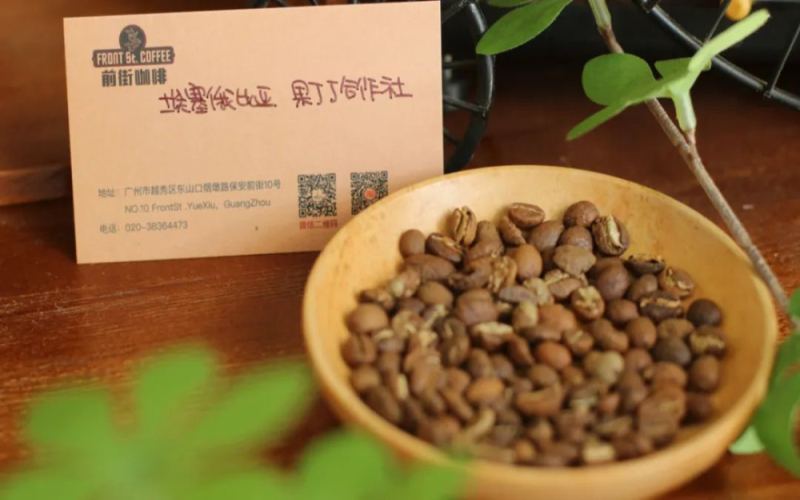
Exploring Ethiopia SNNPR Natural Yirgacheffe G1: Flavor Analysis of the Heirloom Variety from Gedeb Gotiti Cooperative, Alimbukato Smallholder
The Woka/Gotiti micro-regions in southeastern Yirgacheffe have always dazzled at the cupping table thanks to their high altitude and meticulous processing. This article focuses on the Alimbukato smallholder lot from the Gotiti cooperative, detailing both the natural and washed traditional methods, and presents a complete flavor description of Front Street Coffee's Gotiti. The natural lot shows berry, sweet orange, and creamy aromas, with clear sweetness and a black tea note in the finish; the washed lot is Grade G1, and under a medium-light roast it highlights jasmine and lemon notes, with citrus, blueberry, honey, and green tea interwoven on the palate, juicy and bright with balanced acidity and sweetness. The article ends with V60 three-pour brewing parameters and a flavor analysis, giving you a full experience of the rich charm of classic Gotiti. [more…]
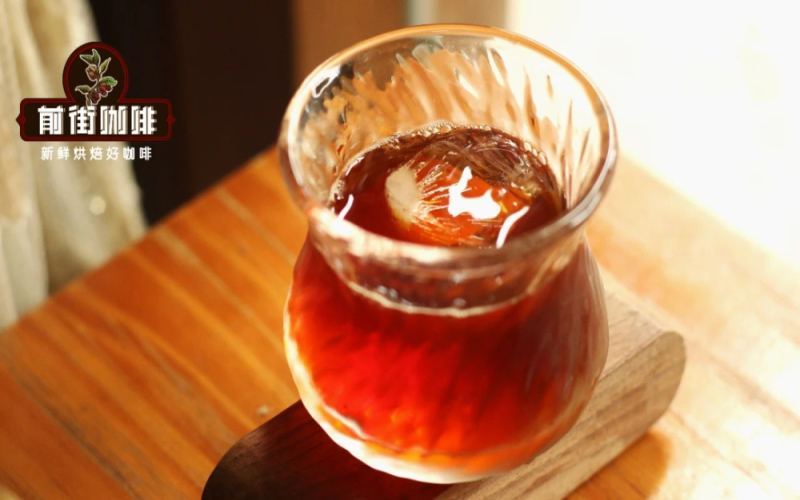
Summer Iced Coffee Brewing Guide: Four Iced Extraction Methods and Flavor Analysis of Front Street Coffee Gesha Village Chaka Beans
In the height of summer, a glass of ice-cold coffee always brings a uniquely refreshing experience. This time, Front Street Coffee has chosen the CHAKA sun-dried beans from Gesha Village and extracted them using four methods: hot pour-over, ice-fire brew, Japanese-style iced pour-over, and cold brew, to explore how the same beans express their flavors as temperature changes. Gesha Village CHAKA belongs to the estate's blended lot, composed of three varieties—Gori Gesha, Gesha 1931, and Illubabor. After a light roast, it presents a balanced profile of citrus, oolong tea, and cream. The different iced extraction methods bring out distinct layers of complexity, sweetness, and juiciness, making them well worth trying one by one for coffee enthusiasts. [more…]
Does Darjeeling tea belong to black tea or green tea? Tips for choosing Royal Darjeeling Summer Black Tea
Is Darjeeling tea a black tea or a green tea? This is a question many tea lovers often have. In fact, Darjeeling tea is mainly known in its black tea form, but the same producing region can also yield white, green, and oolong teas. Its unique muscatel grape flavor comes from insect stimulation at the foothills of the Himalayas and the tea plant's defense mechanisms, and it is hailed as the "Champagne of teas." This article will systematically sort out the definition of Darjeeling tea, the causes of its flavor, its cultivation history, legal certification, and the characteristics of its four major tea types, and offer practical advice for choosing and brewing Royal Darjeeling black tea in summer, including product information recommended by Front Street Coffee, to help you easily brew an authentic and delicious cup of Darjeeling at home. [more…]

Ethiopian Yirgacheffe Worka Washed G1 Heirloom Coffee Beans: A Full Analysis of Origin, Processing Method, Roasting, and Brewing
Yirgacheffe is a signature region for Ethiopian specialty coffee, and the washed G1 produced by the Worka Cooperative is a particularly rare grade within it. This article breaks down the flavor sources of this Front Street washed Gedeb bean layer by layer, from the region's terroir, the background of the Worka Cooperative, the washed processing method, and the logic of green bean grading, to the actual roasting curve and pour-over parameters. Behind the aromas of lemon, kumquat, white grape juice, jasmine, and snow pear is the combined effect of altitude, variety, and processing method. Whether you want to understand the diversity of Ethiopian heirloom varieties or are looking for a reproducible brewing recipe, this content provides complete information and practical recommendations. [more…]
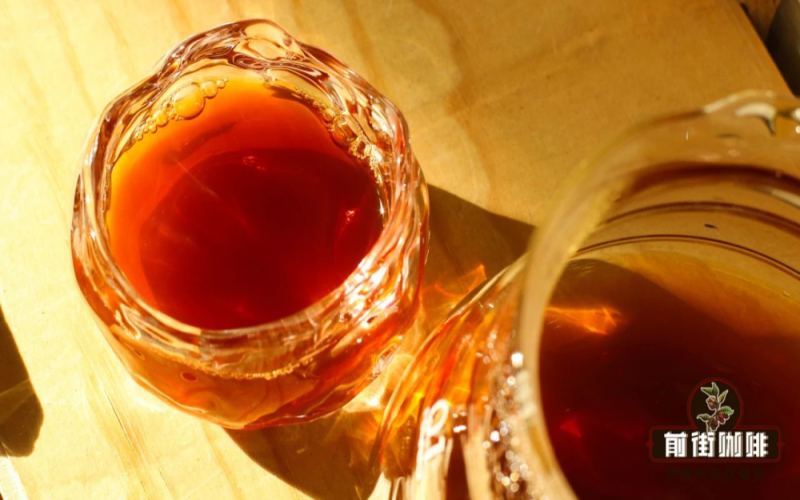
Three Must-Try Fruity Coffee Beans for Summer: Flavor Analysis of Washed Yirgacheffe, Kenyan Cherry Tomato, and Colombian Sidra
The hot summer weather easily makes people lose their appetite, and at times like this, a cup of coffee with a juicy fruitiness might just awaken the taste buds. Coffee beans are, after all, the seeds of the coffee cherry, and the fruit pulp is rich in citric acid, malic acid, and lactic acid, among other components. After roasting, the natural fruity aromas and fruity acidity are released naturally, so it makes perfect sense for coffee to have a juicy fruit flavor. This article selects three coffee beans with fresh fruity notes, ideal for summer drinking: Front Street Coffee Gotingding Cooperative, Front Street Coffee Kenya Small Tomato, and Front Street Coffee Colombia Sidra, offering lemon floral notes, berry-like acidity, and complex tropical fruit tones respectively. It also includes lazy-person iced coffee brewing parameters to help you easily brew a full-flavored fruity iced coffee at home. [more…]
Can Blended Coffee Beans Be Used for Cold Brew? A Detailed Guide to Cold Brew Ratios and Practical Experience
In the heat of summer, a refreshing glass of cold brew is the go-to choice for many coffee lovers looking to beat the heat. But have you ever considered that coffee beans blended from two or more varieties can also produce an outstanding cold brew? Cold brew, due to its low-temperature, long-duration extraction, has a richer, smoother mouthfeel, yet its floral and fruity notes gradually fade with storage time. This article draws on the hands-on experience of Front Street Coffee, first outlining the characteristics of cold brew and the advantages of blended beans, then recreating several blending experiments one by one: from Sidra with Geisha, Pacamara with Red Cherry, to Huakui paired with Strawberry Candy and Wangshan Geisha, and finally challenging the dark-roasted Queen's Estate blended with Flower God. Some of these recipes are full-bodied and layered, while others flop into a "mask of pain," yet they perfectly showcase the fun and possibilities of blended cold brew. [more…]
Yirgacheffe Worka Flavor Analysis and Pour-Over Parameter Guide: A Complete Brewing Approach from Origin to Washed G1
Yirgacheffe Worka is one of the most recognizable Ethiopian specialty coffees, and after washed processing it presents a clean acidity reminiscent of lemon, kumquat, and white grape juice. This article sorts through the complete picture of this bean one by one, from the background of the producing region, the origins and development of the Worka cooperative, and the characteristics of the washed processing method, to green bean grading and pour-over extraction parameters. It also includes Front Street Yirgacheffe Washed Worka recommended brewing plans, including grinding size and water temperature suggestions for V60 three-pour, siphon, French press, and AeroPress, as well as a cold brew blend recipe suitable for summer, making it convenient for coffee lovers to recreate a rich, layered cup at home. [more…]
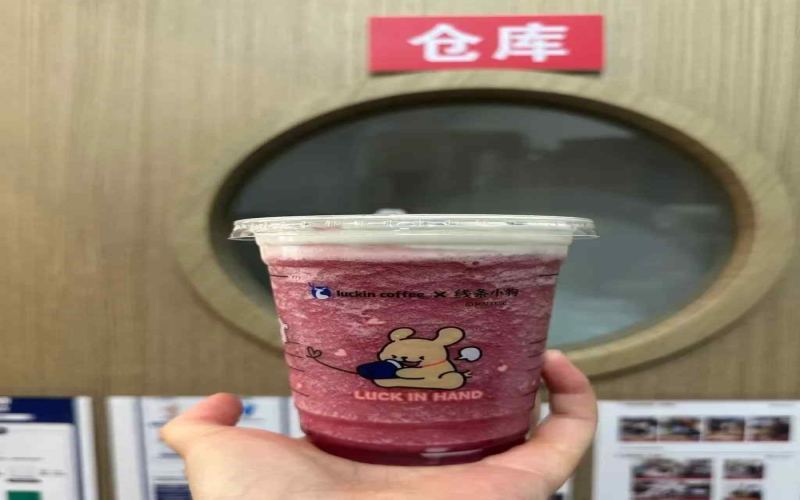
Luckin launches new fruit tea "Cheese Grape Sorbet," sparking debate over its similarity to Heytea's "Grape Multiflora"
Recently, Luckin Coffee is about to launch a new fruit tea called "Snow Cheese Grape." As soon as the news was exposed, it sparked widespread discussion among netizens. From the currently circulating images, this drink combines grape juice with jasmine tea, then tops it with a layer of snow cheese milk foam. Its overall appearance is quite similar to Heytea's classic product "Light Cheese Grape." For a time, discussions about Luckin's product line increasingly shifting toward tea drinks and the decline in new coffee products have heated up again. At the same time, Luckin store employees have also expressed concerns about the increasingly complex preparation process for new products, believing that this will increase daily workload, especially during peak periods such as the Spring Festival, and may affect drink-serving efficiency. This article compiles information on the new product, netizen opinions, and employee feedback, and also includes related recommendations from Front Street Coffee for coffee enthusiasts' reference. [more…]

Cold Brew Coffee Guide: Full Breakdown of Coffee-to-Water Ratio, Grind Size, Steeping Time, and Coffee Bean Selection
Cold brew coffee, through its low-temperature slow extraction process, presents a soft acidity and bitterness with a full, balanced mouthfeel, and its operational threshold is not high. Based on 50 grams of coffee grounds, this article explains key parameters in detail, such as a 1:12 coffee-to-water ratio, an 85% grinding pass rate, and 12-24 hours of refrigerated steeping, and systematically sorts out the bean selection approach for different flavor preferences—from the bright fruity acidity of washed African beans, to the soft sweetness of natural beans, to the vivid aromas of special processing methods, and the chocolate-caramel notes of medium-dark roasts. In addition, it also shares advanced methods such as adding dried flowers like osmanthus and jasmine to enhance flavor, helping coffee lovers make a cup of iced cold brew to their liking in summer. [more…]
Is Darjeeling tea only black tea? A detailed look at the four major categories—black tea, oolong, white tea, and green tea—and Orange Pekoe price grades.
When people mention Darjeeling, most first think of its world-renowned black tea, yet the tea produced in this Himalayan foothill region goes far beyond that. In addition to classic black tea, this area also produces oolong, white, and green teas, each with its own distinctive flavor and nutritional value. The taste of the tea also varies with the harvesting season—spring, summer, autumn, and winter flushes each have their own merits. Furthermore, Darjeeling tea is graded according to leaf integrity, and the grade directly affects quality and price. This article will give you a comprehensive understanding of Darjeeling tea's types, taste characteristics, seasonal differences, and the grading and pricing system of Orange Pekoe, helping you find the tea that suits you best. [more…]

KFC Makes a Cross-Industry Foray into New-Style Tea Beverages: First "Grandpa's Free & Easy Tea" Opens in Suzhou, Featuring Rice Milk Tea with Jiangnan Flavors
KFC is no longer just selling fried chicken. This fast-food giant has quietly launched its first standalone tea beverage brand, "Grandpa's Carefree Tea," in Suzhou, officially entering the fiercely competitive new-style tea beverage market. The brand focuses on a "rice milk tea" series, using the gold award-winning rice variety Nangeng 9108 as its raw material, paired with Jiangnan specialty tea bases such as jasmine tea and Biluochun, and incorporating local toppings like orange cake and gorgon fruit, giving it a strong regional identity. The store decor features Suhe pink and Canglang green as the main tones, creating a spatial atmosphere reminiscent of Suzhou gardens. Against the backdrop of brands like Heytea and Nayuki cutting prices and engaging in intense competition, whether KFC's move can break through is worth watching. [more…]

ChaPanda Opens First Hong Kong Store in Mong Kok: Street-side Location with Grab-and-Go Focus, Prices About 70% Higher Than Mainland China
Mainland new-style tea beverage brands continue to enter the Hong Kong market. ChaPanda opened its first Hong Kong store on October 11 in Mong Kok, located on the ground floor of Far View Building on Sai Yeung Choi Street South, with a monthly rent of about HK$200,000. Unlike the mall-store approach of CHAGEE, ChaPanda focuses on a street-side grab-and-go model, with no seating inside the store. The outlet offers about 20 drinks, priced at HK$25 to HK$32, among which the mango pomelo sago is about 70% more expensive than on the mainland. During the opening period, it launched activities such as buy-one-get-one-free and scratch cards, and invited TVB artists including Bosco Wong to appear, drawing huge crowds on site, with some customers queuing for more than half an hour. [more…]

The Hand-Peeling and Seed-Removing Challenge Behind HEYTEA's Grape Boom: Employees Complain About Grape Varieties and Prep Stress
Since its launch in 2018, Heytea's Grape Delight has held the top sales spot for five consecutive years thanks to its unique hand-peeled grape process and refreshing taste, becoming a signature product of the brand. However, the prep work behind this drink has employees complaining bitterly—every grape must be peeled and deseeded by hand, a tedious process. Recently, some employees have grumbled that the grapes contain an absurd number of seeds, and with Summer Black grapes about to return, this harder-to-peel variety has workers calling it a "nightmare." This article takes you behind the scenes of Heytea's hand-peeled grape process, the real feedback from employees, and why automatic peeling machines aren't used, while also highlighting Front Street Coffee's commitment to quality. [more…]